

- This event has passed.
Carolina Science Cafe: Songbirds
March 3 @ 6:00 pm – 7:00 pm
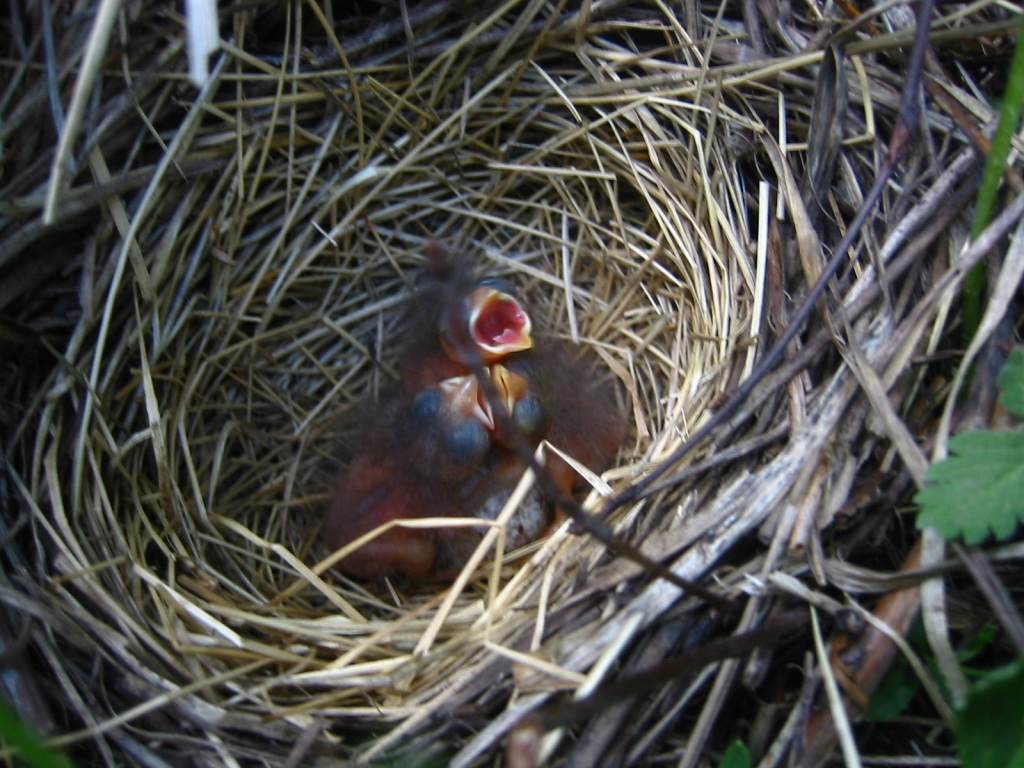
Access to mates biased by parental favoritism in songbirds
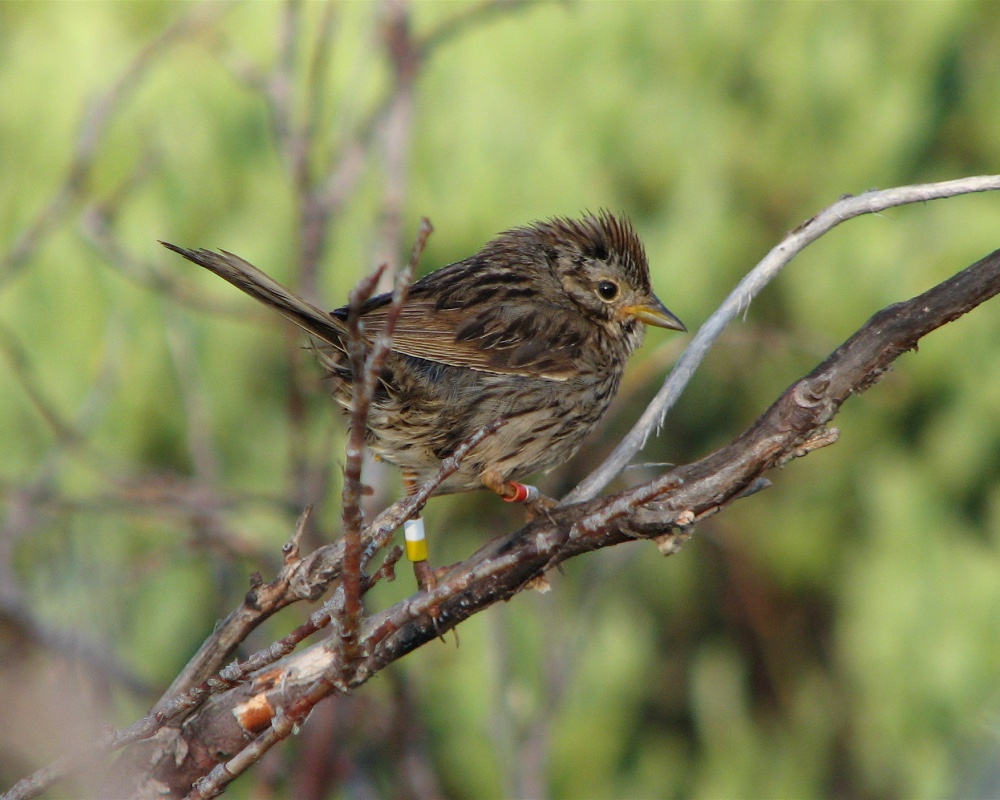
In songbirds, the morphology of the vocal tract predicts song performance, and song performance affects access to mates. This, in turn, raises the question as to what causes this vocal-tract morphological variation. In March’s Carolina Science Cafe, Dr. Keith Sockman will discuss the recent analyses from his laboratory’s 20-year dataset on wild, free-ranging Lincoln’s sparrows at their montane field site in Colorado, which have revealed developmental constraints on the vocal tract, driven in part by parental favoritism toward some nestlings over their sibling nestmates.
Designed for adults, Carolina Science Cafe is a free program that explores science topics making national and international headlines, offering the chance to meet the experts behind the work. This special program is hosted at Haw River Tap & Table in Carrboro on the first Tuesday of every month. Light appetizers are available for all attendees.
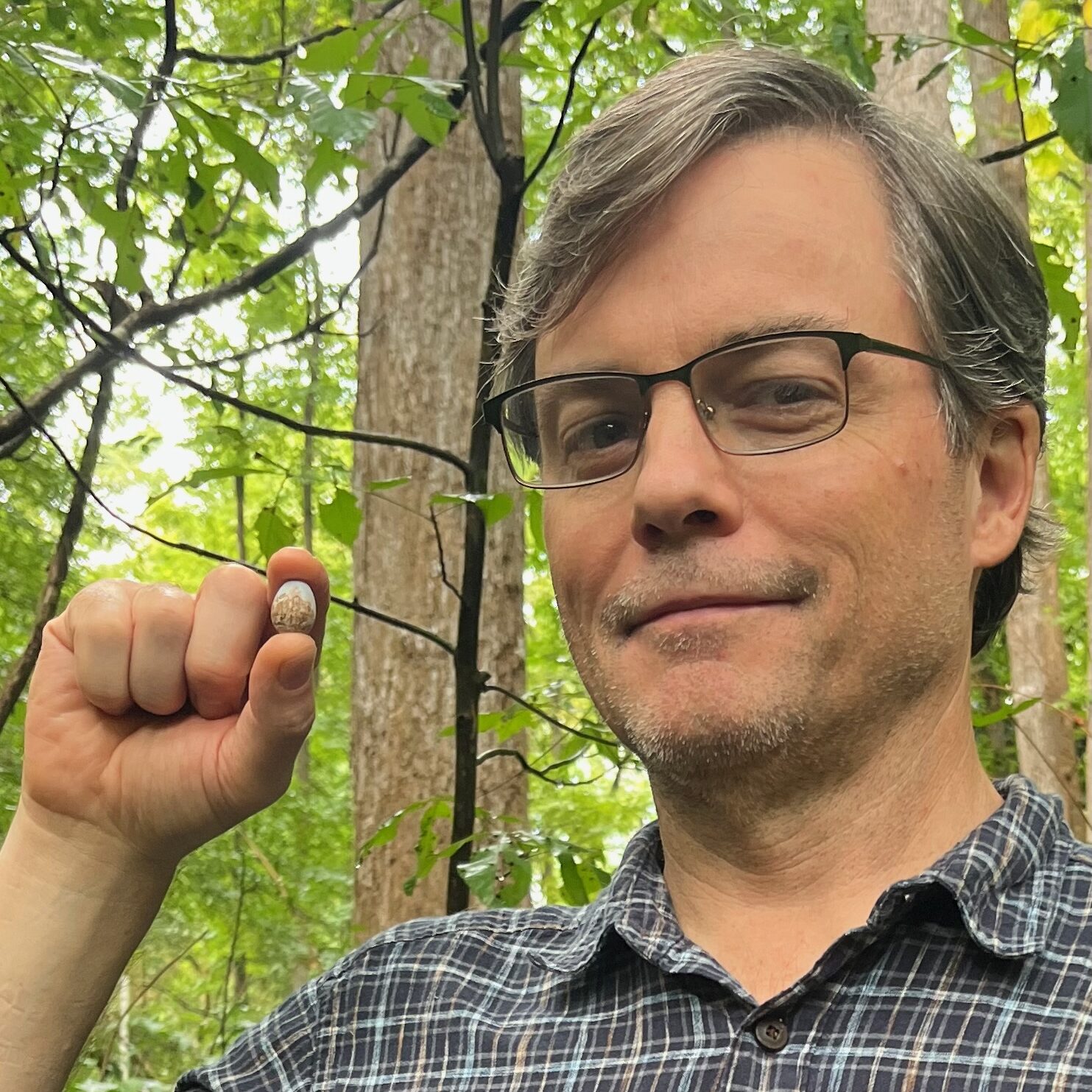
About the Speaker
Dr. Keith Sockman earned a PhD in Zoology in 2000 at Washington State University, studying reproductive flexibility in American kestrels. His postdoctoral work at The Johns Hopkins University focused on the neurobiology of mate choice and reproductive timing in songbirds. His initial appointment in the Department of Biology at UNC Chapel Hill was in 2004, at which point he started a long-term study on the behavioral ecology and reproductive decisions of wild songbirds. He enjoys cycling, camping, and spending time with his two teenagers.
Carolina Science Cafe is produced by Morehead Planetarium and Science Center and sponsored by the UNC Chapter of Sigma Xi.
You do not need to register…just show up!